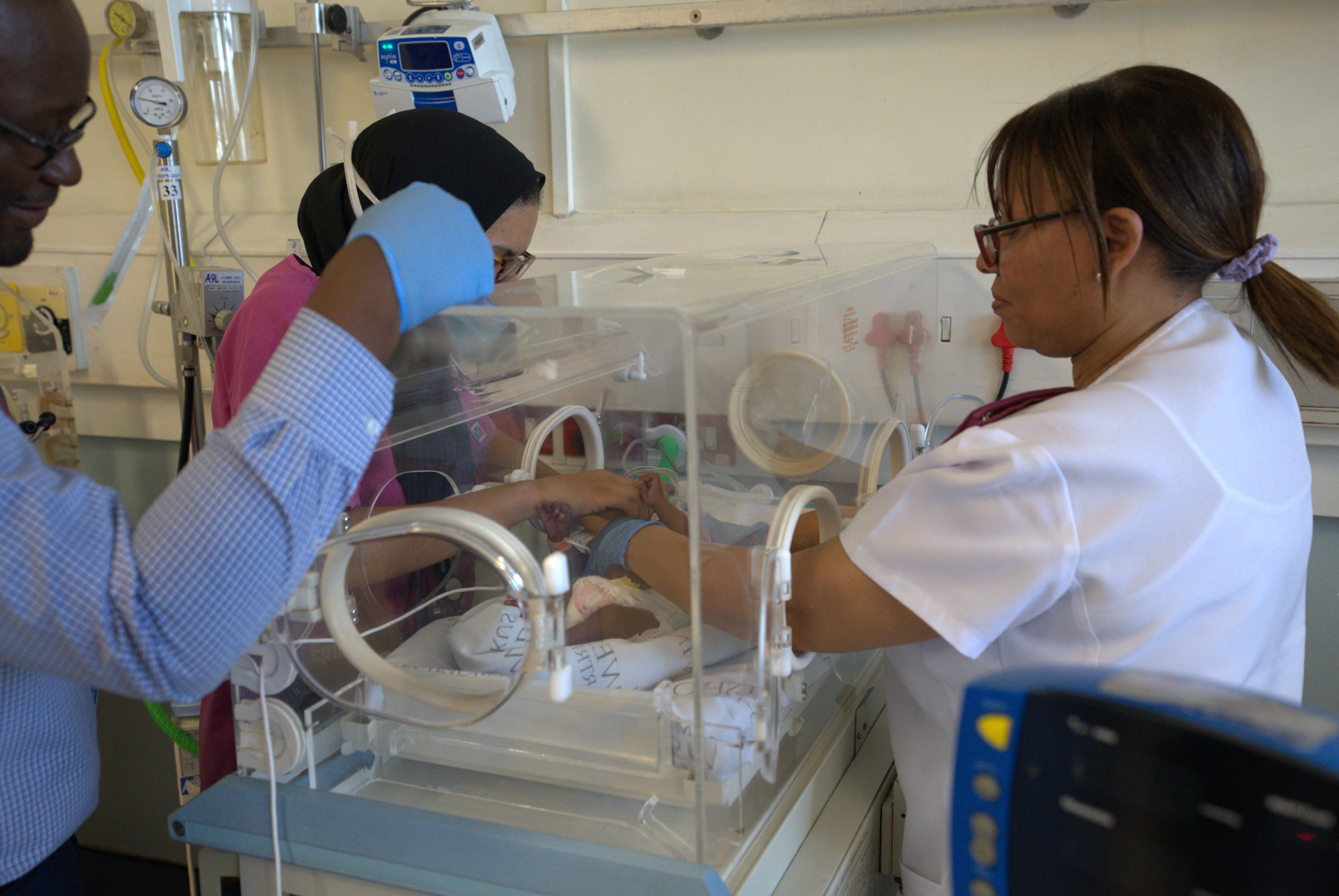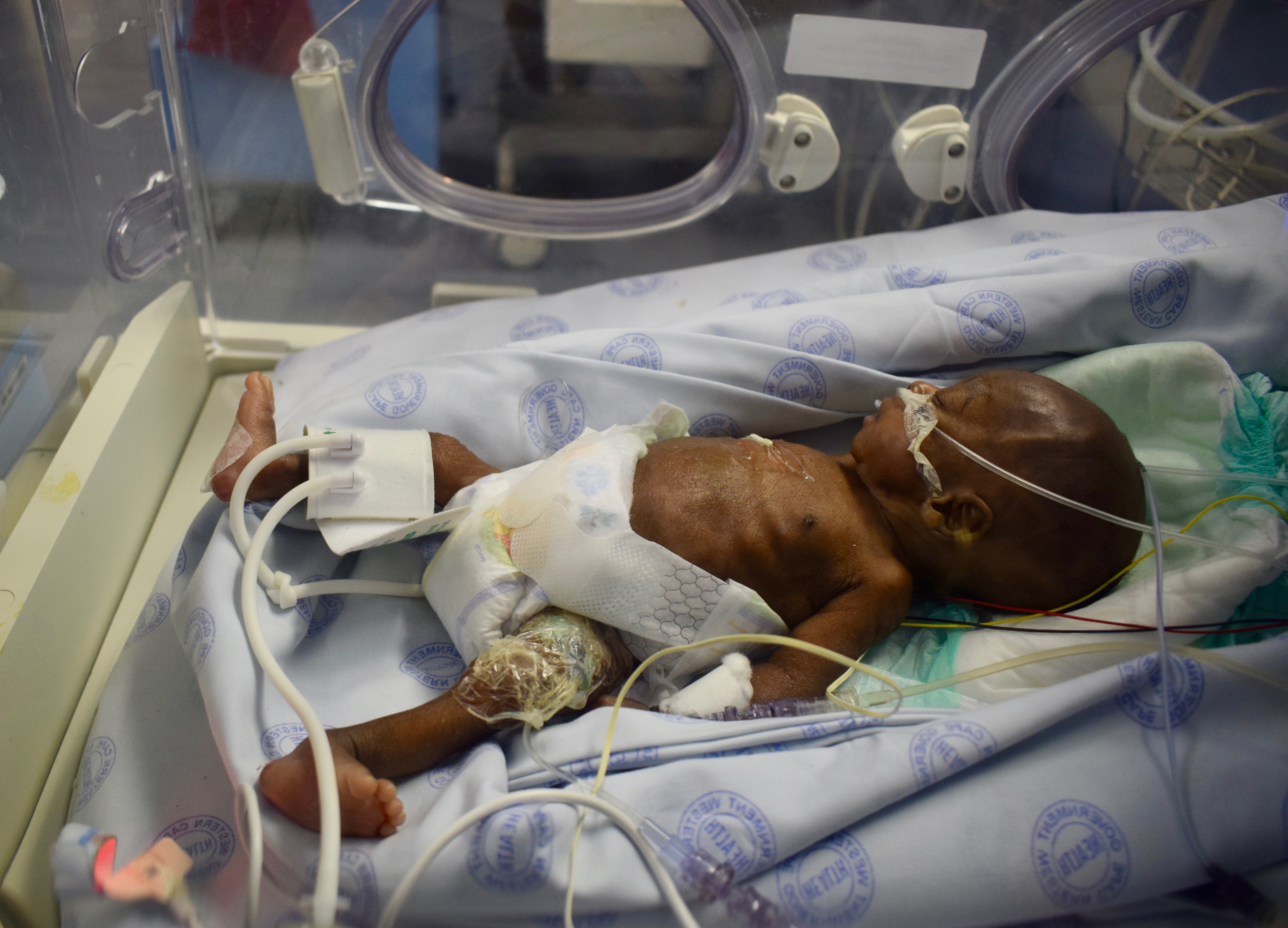
NeoSep1 has concluded; NeoSep2, its successor trial, is currently underway.
A federated data platform to maximise the use of routinely collected clinical data, to reduce neonatal sepsis and more effectively treat it, while preserving data sovereignty.
Developing evidence-based guidelines for use in low-resource settings to support clinical decision-making in the identification and management of neonatal sepsis, addressing both the challenges of antimicrobial resistance and the complexities of resource-constrained settings.
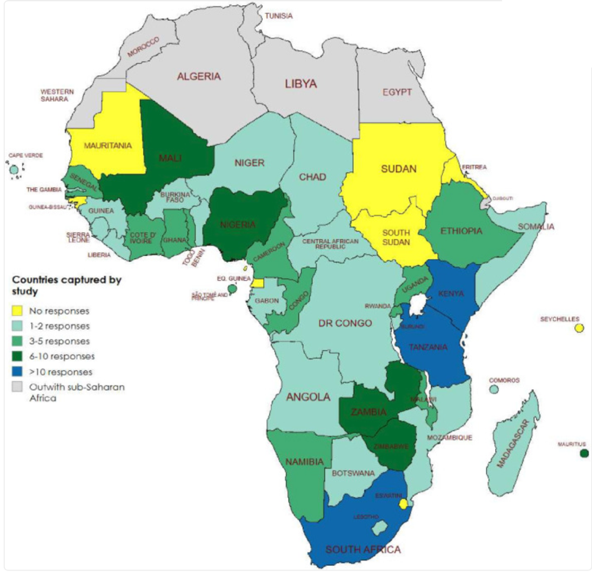
Neonatal sepsis remains a leading cause of newborn mortality across sub-Saharan Africa, where administering effective treatment is increasingly difficult due to rising drug resistance. To understand frontline care, the INSIGHTS study surveyed neonatal healthcare providers across 40 sub-Saharan African countries, examining how diagnostic testing, antibiotic availability, and clinical guidelines shape daily sepsis management.
The findings highlighted major operational barriers. While almost all clinicians rely on guidelines to direct treatment, most face severe diagnostic delays, frequently receiving blood culture results long after care decisions must be made. Combined with difficulties accessing essential antibiotics, providers are often forced to manage severe infections without timely laboratory support. Most importantly, INSIGHTS revealed that attempts to author locally relevant treatment guidelines are hindered by a lack of regional antimicrobial resistance data, showing exactly why connected data sharing across Africa is so urgent.